
How a bag of castor earns its record
Every batch on CastorConnect carries a record you can check. This is how that record is built, from the first visit to a farm cluster to a buyer's purchase order.
Batch record
CC-MNA-0427

Cluster registered
Farmers Registry
MAR 2026
Members trained
Good agricultural practice
APR 2026
Boundary verified
Whisp · Digital Earth Africa
MAY 2026
Harvest recorded
Field app, synced
OCT 2026
Labelled and pooled
QR label · Supply pool
OCT 2026
Purchase order
Approved buyer
Pending
From a registered farm cluster to a verified purchase order
Step 1 — Register
It starts with one application.
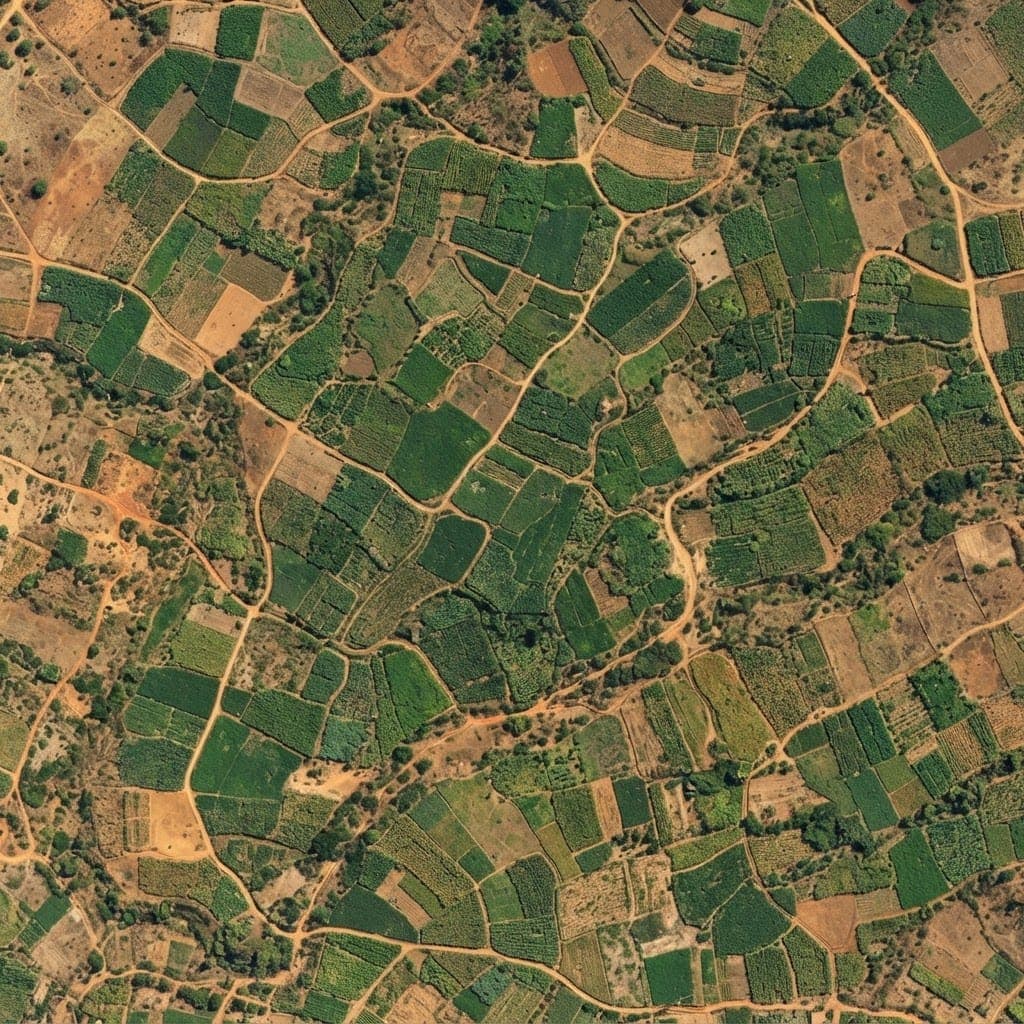
Farmers, farm clusters, cooperatives and oil milling plants all join the same way: one application to the Certified African Castor Farmers Registry (CACFR), online or with a field officer. Certified means verified by CastorConnect; it is not a third-party certification. Organisations take a slot with at least 50 hectares of castor, or 20 tonnes of crude or First Special Grade (FSG) castor oil; individual farmers are grouped into clusters to reach it. We review every application, then a field officer visits.
Step 2 — Train
Every member is trained.
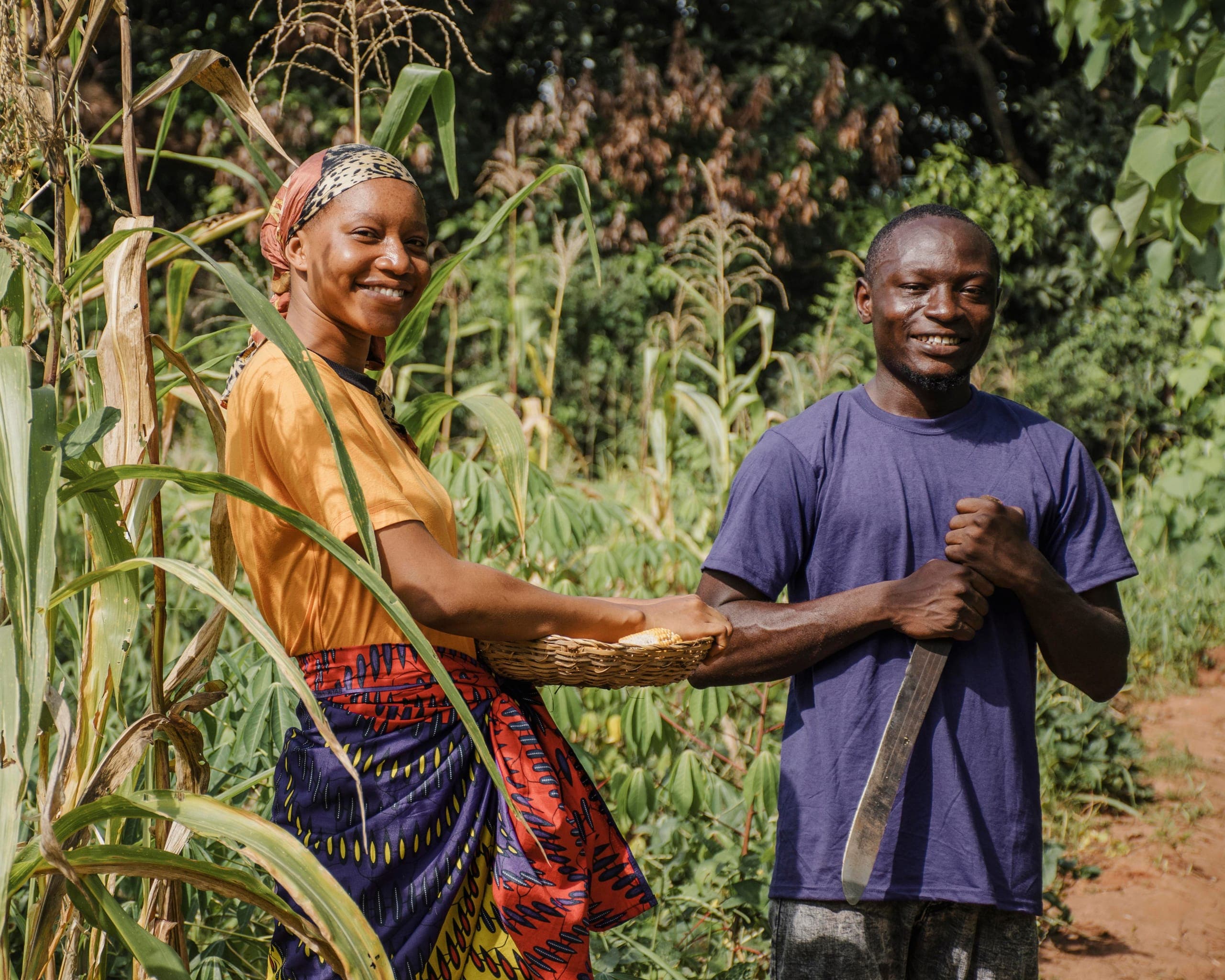
Field officers train every member in good agricultural practice (GAP): planting, crop care, harvest and storage. Who attended, and when, goes on the record.

Step 3 — Map and verify
Every farm gets a boundary.
A field officer walks the edge of each farm with a phone and records its GPS boundary and size, even where there is no signal. Once the phone is back online, the boundary is checked against two satellite-based datasets. Whisp runs the deforestation-free satellite telemetry check. Digital Earth Africa confirms the land is under crops. The CastorConnect compliance team reviews every result before a farm is approved.
Step 4 — Record
Harvests are recorded where they happen.
At harvest, the field officer records the farm, the date and the expected yield in the field app. The app works offline, and the record syncs as soon as there is signal.

Step 5 — Label and pool
Every bag gets an identity.
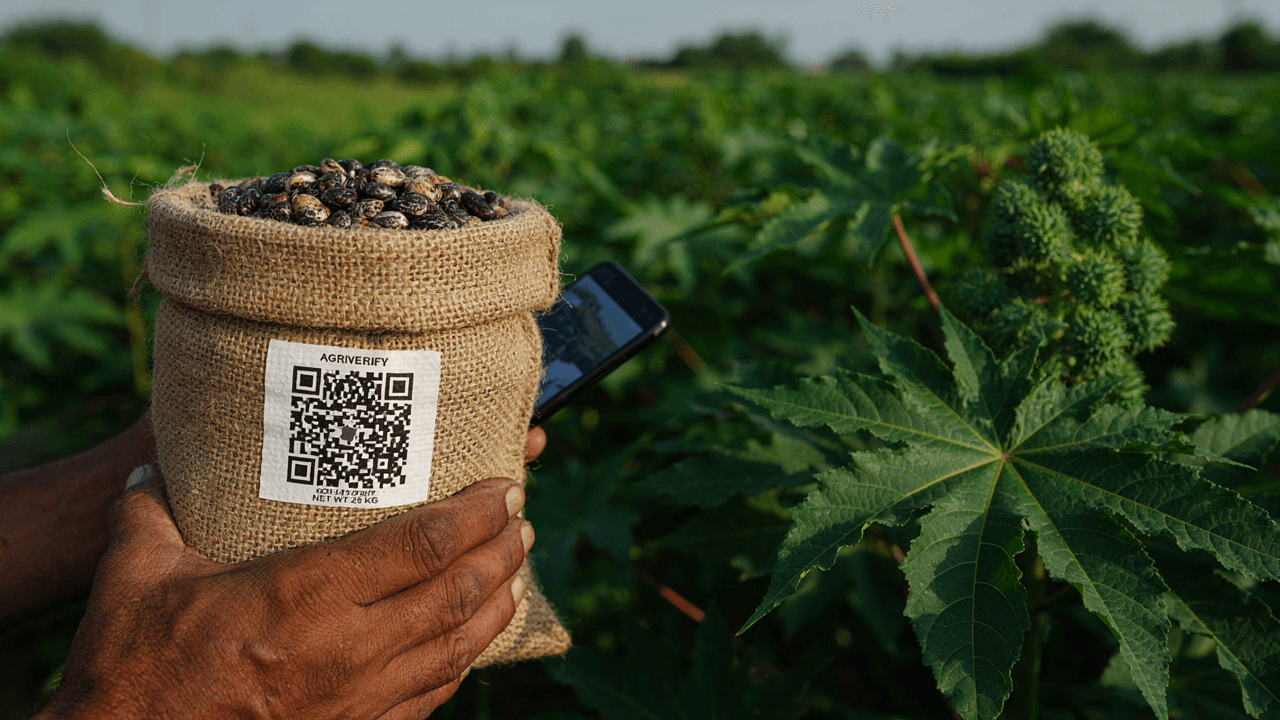
Each batch is graded, checked for moisture and weighed. The field app then prints a QR label for every bag on a portable printer. Labelled batches join a supply pool for their product, and registered buyers see that pool.
Step 6 — Order
Buyers order from verified supply.
Registered buyers review live pools and their evidence, then place a digital purchase order. Sôlt Africana, the licensed merchant partner, is merchant of record and carries the physical trade and export. CastorConnect facilitates the order and keeps the record from the first boundary to the final delivery.

One record, useful to three groups

For farm clusters
A verified identity, GAP training, and a route to registered buyers who are looking for evidence.

For buyers
Supply with its evidence attached, ready for your due-diligence and audit teams.

For the workforce
Field officers, extension agents and trainers, and castor workers build a verified record of their fieldwork.